
Insights / API & Integration
Why disconnected tools get expensive
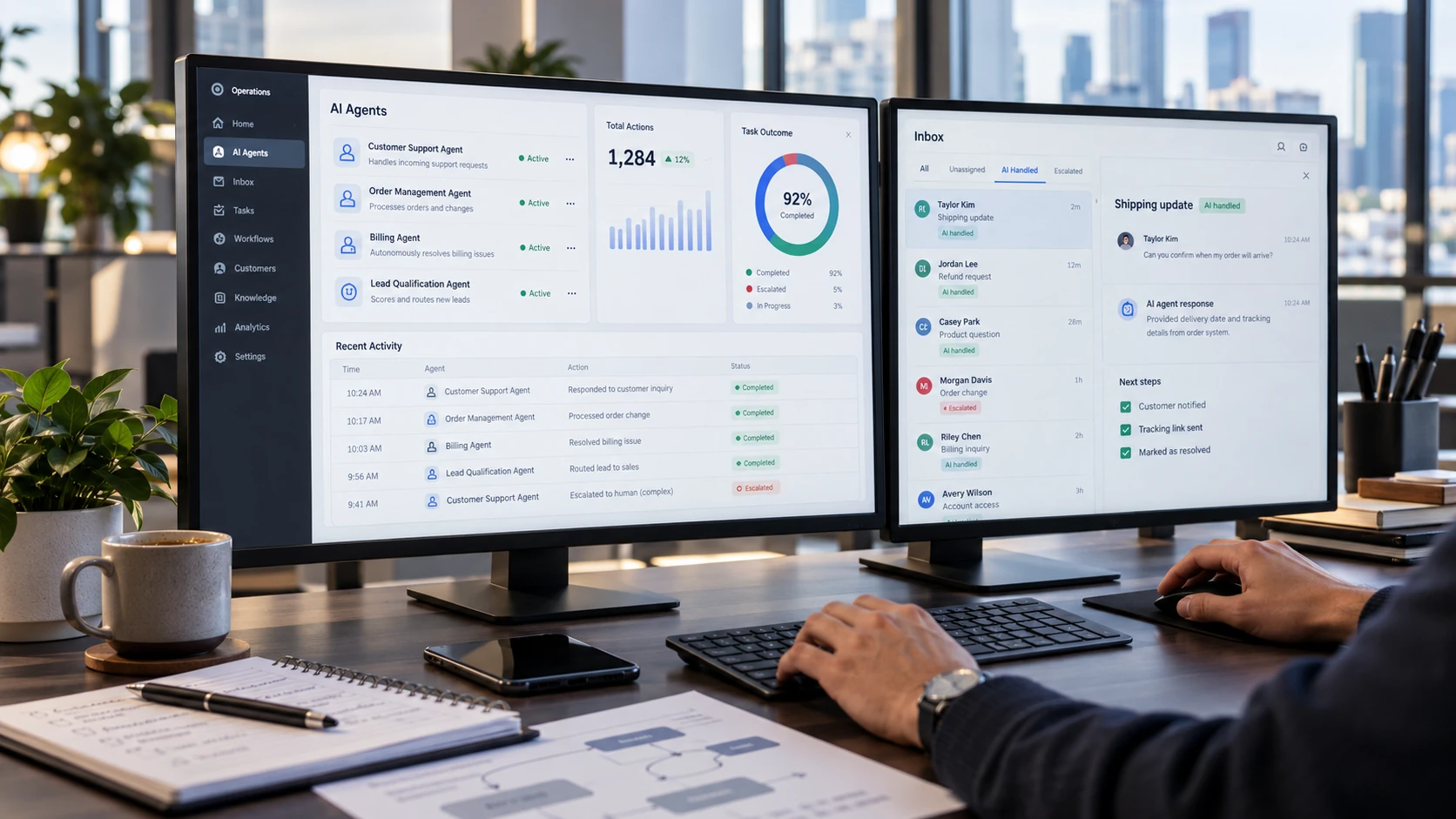
Each new SaaS tool solves a problem. Together, unconnected, they create a new one: people become the integration layer. The cost is real, even when it does not show up on an invoice.

Modern businesses run on a stack of tools: a CRM, accounting software, an ecommerce platform, a help desk, a project tool, spreadsheets filling the gaps. Each was chosen for good reasons. The trouble starts in the spaces between them.
The hidden costs
- Re-keying. The same customer, order or invoice typed into two or three systems.
- Errors. Every manual transfer is a chance to mistype, miss or duplicate.
- Delay. Information arrives when someone gets around to moving it, not when it happens.
- Conflicting truth. Sales, finance and operations each have a different number, and meetings are spent reconciling.
- Fragility. Quick scripts and exports built years ago fail silently when a vendor changes something.
Why it stays invisible
These costs are spread thinly across many people and many days. No single invoice shows "time spent copying data from the CRM to accounting". So the cost stays hidden until the business grows and the manual glue cannot keep up.
What good integration looks like
- Clear ownership. Each piece of data has one system of record.
- Event-driven where it matters. Changes flow when they happen, not once a night.
- Reliable by design. Retries, idempotency and conflict rules, not optimism.
- Observable. Failures raise alerts before customers notice.
- Documented. Someone new can understand what moves where, and why.
A simple first step is to draw your systems on one page with arrows for every manual transfer between them. The thickest arrows are usually the best place to start.
Recognise this problem in your business?
Tell Us Your Problem